Recap:
Aperture: Is the opening and closing of the camera lens
Aperture effects 2 things –
- The amount of LIGHT that the lens lets into the camera
- Depth of field (amount of the photo in focus)
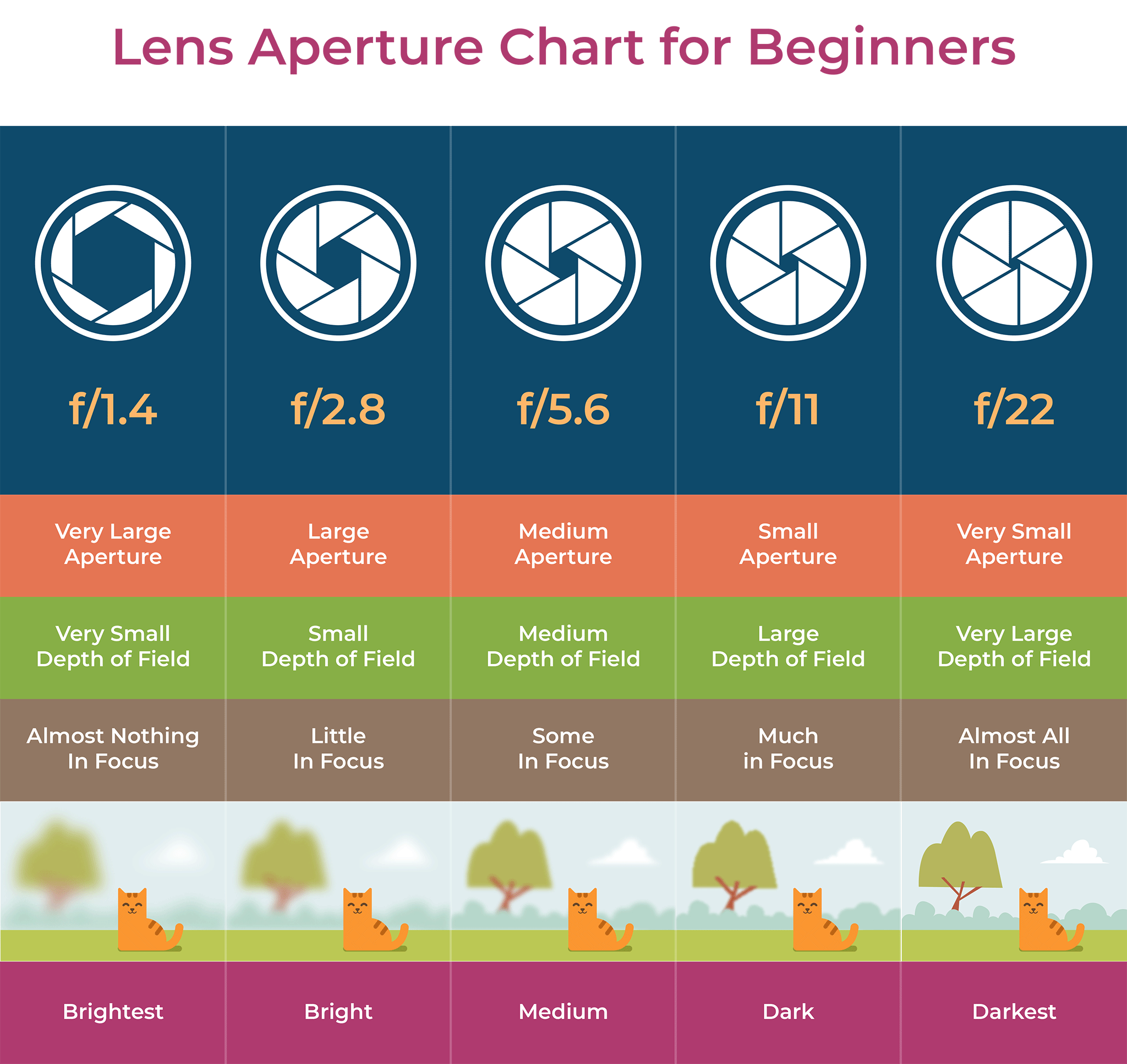
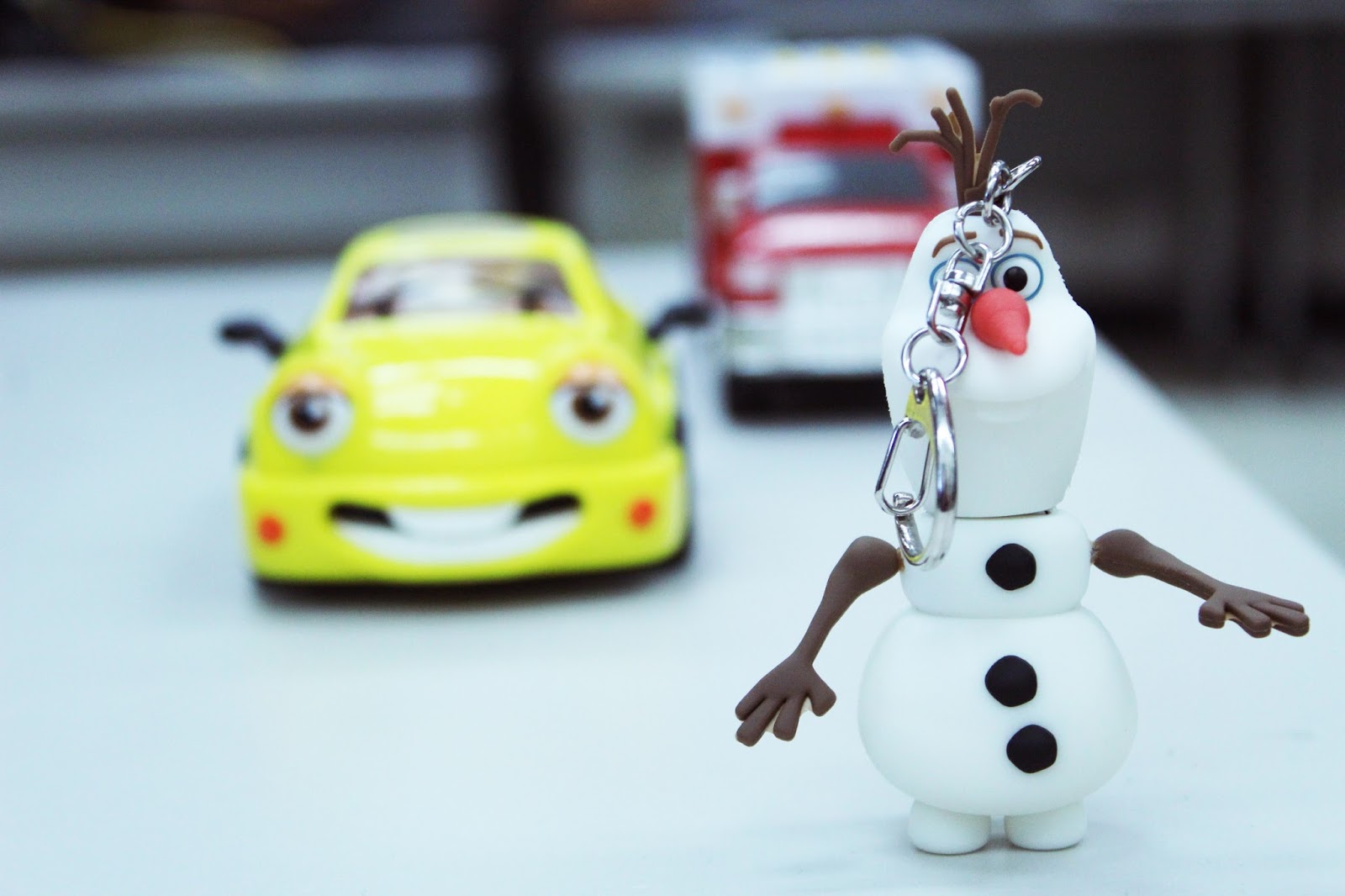
Low Aperture
- Is Called Shallow depth of field
- Low F/stop number (under f/10)
- One area of your photo is super sharp while other parts of the photo remain blurred
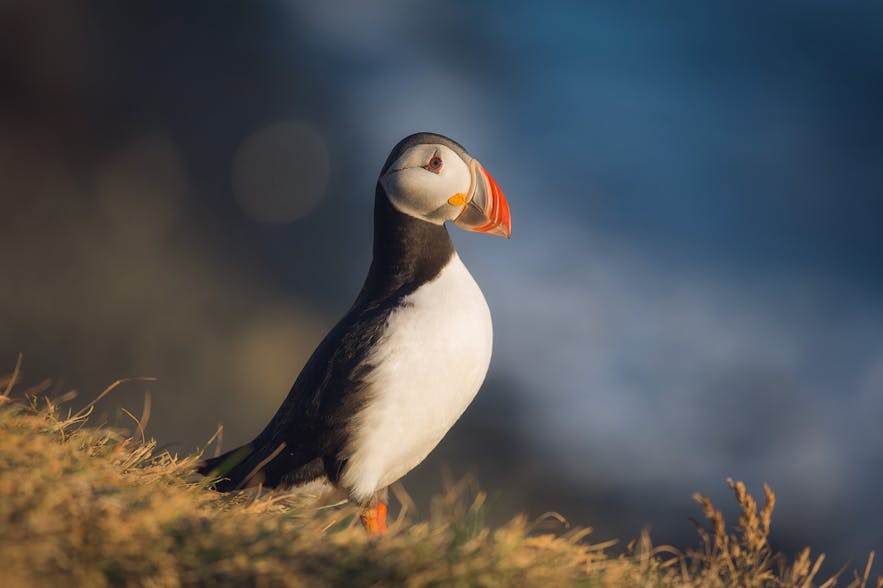
Low Aperture is good for
- Portraits
- Isolation of an object
- Low light situations
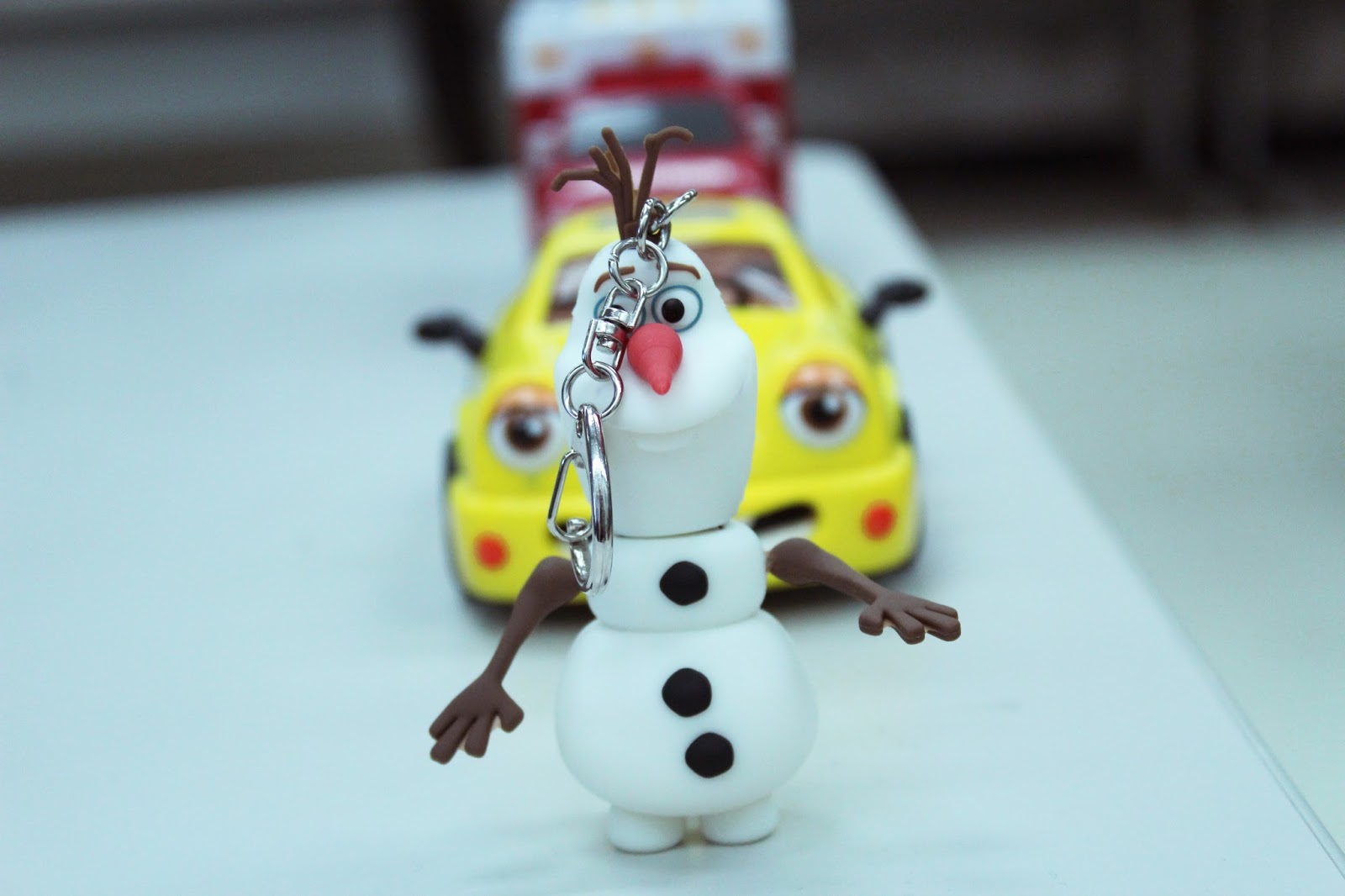
High Aperture
- Is called Deep Focus
- High f/stop number (over f/12)
- Most or all of the photo is in focus.

High Aperture is good for
- Scenery or landscape
- Large Group Photographs
- Documentary/Street Life Photos
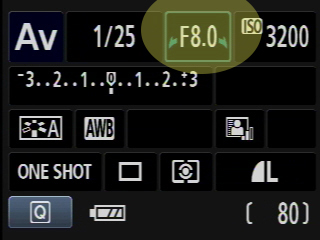
Below is where the aperture f/stop number is located on the back of your camera –
Aperture Practice
Assignment: You will be doing 3 practice scenarios with 3 different subjects.
- Dinosaurs/zoo animals
2. Lockers

3. Free Choice

How to set up your items
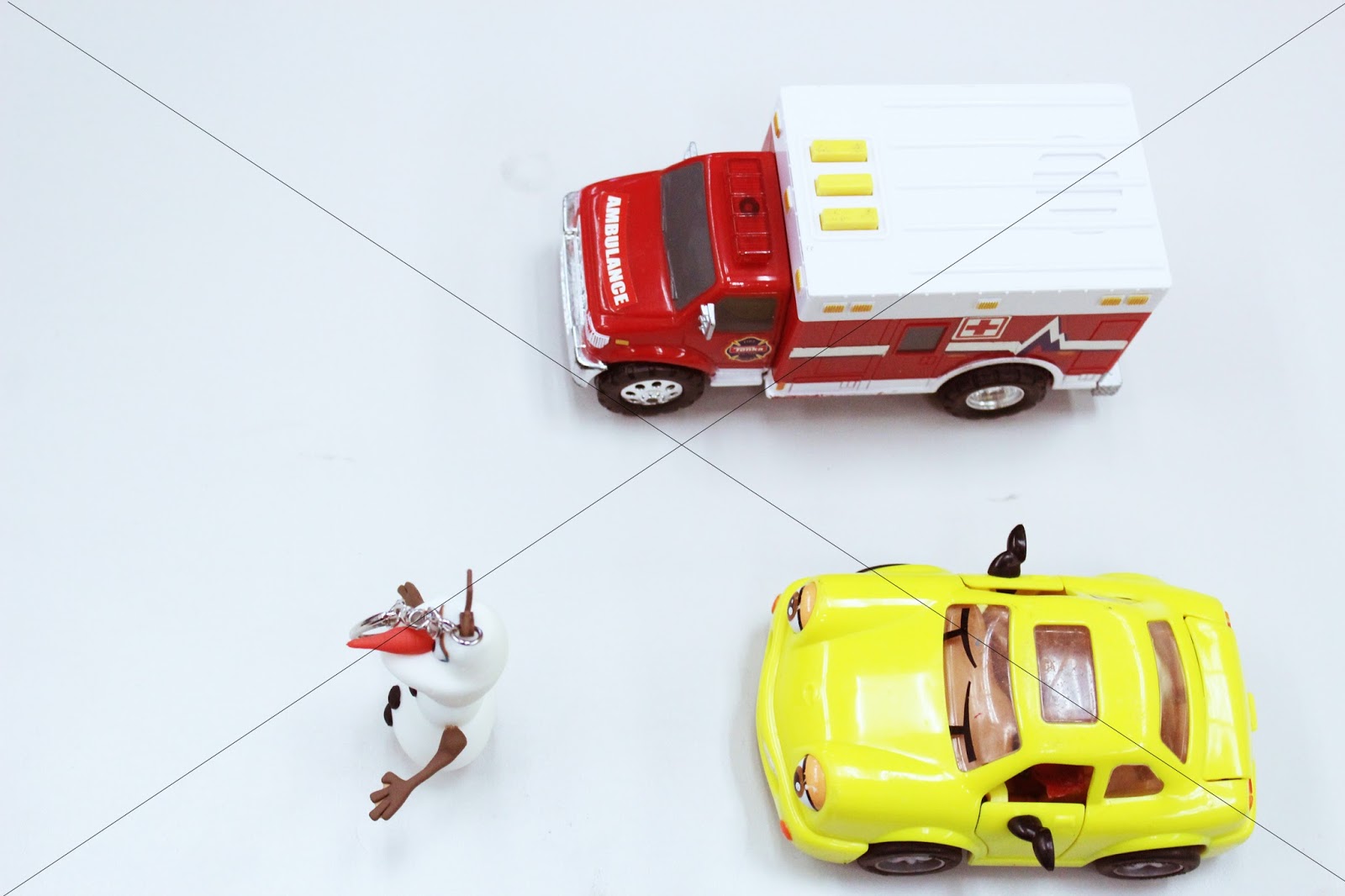
1. Set up your toys in a line scattered from one side to the other
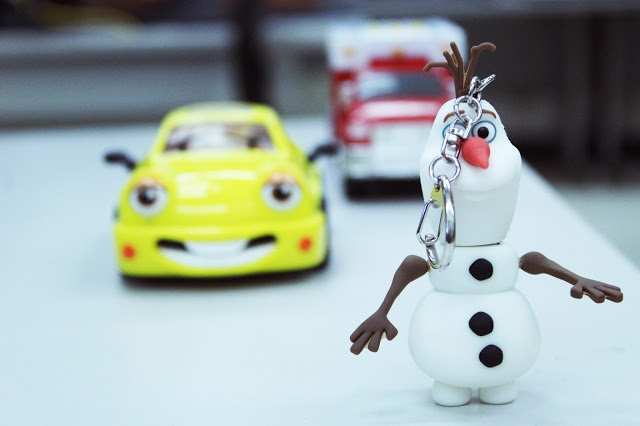
2. Do not line them up right in front of the other. You will want to see more of each item.
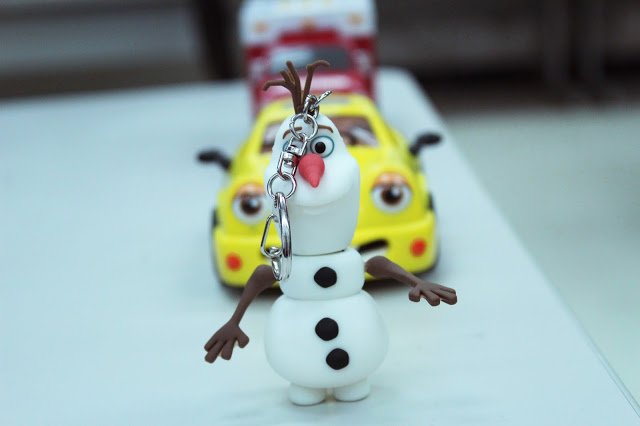
3. Make sure that you are level with your objects.
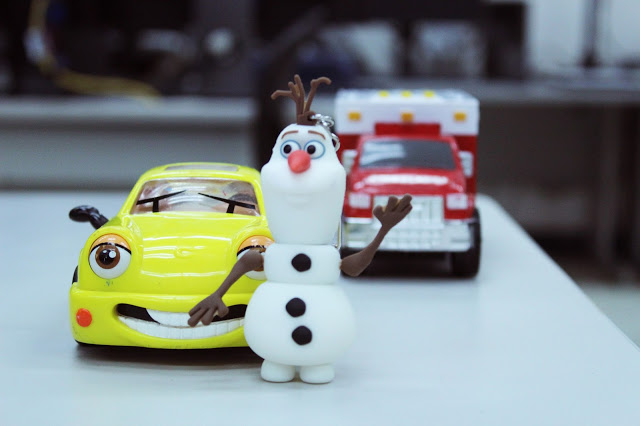
4. Do NOT shoot your items from above.
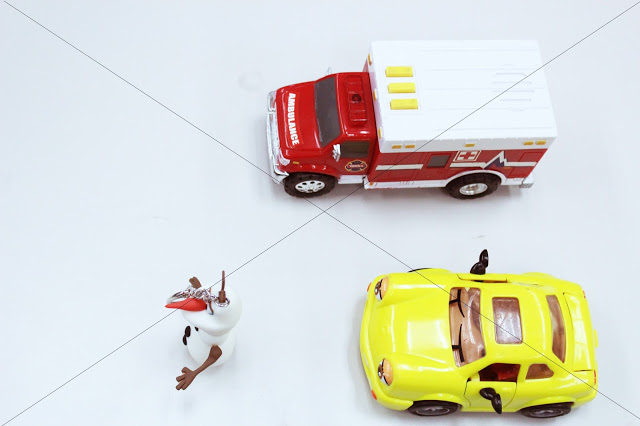
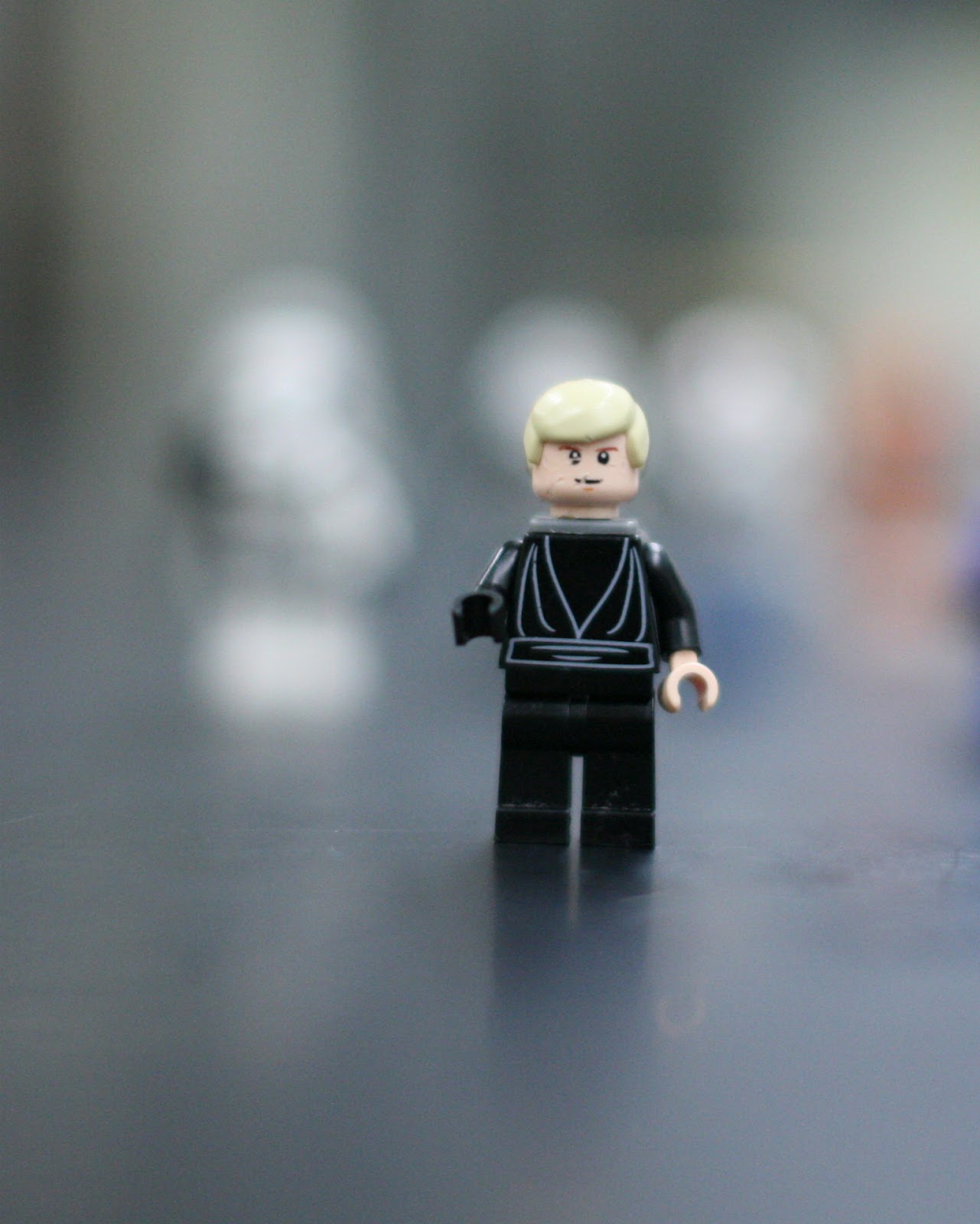
Step 1 Camera
- Set your camera to the AV setting
- Set your aperture at f/5.6 or lower
- Get in as close as you can to the front toy
- Take a photo
Step 2
- Do not move your toys
- Keep your camera in the same direction as the previous shot (vertical or horizontal)
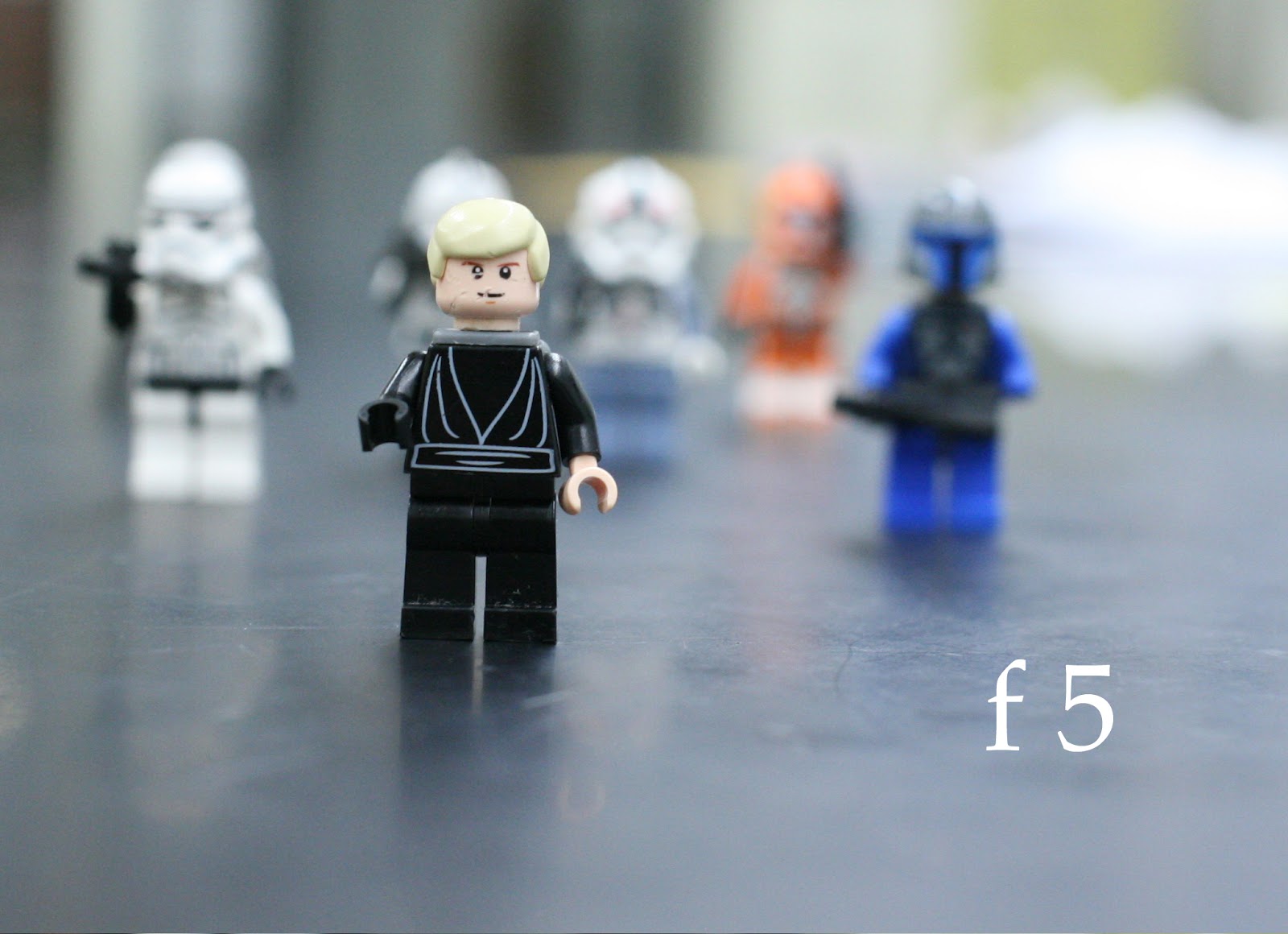
- Set your aperture at f/12- F/16
- Get in as close as you can to the front toy
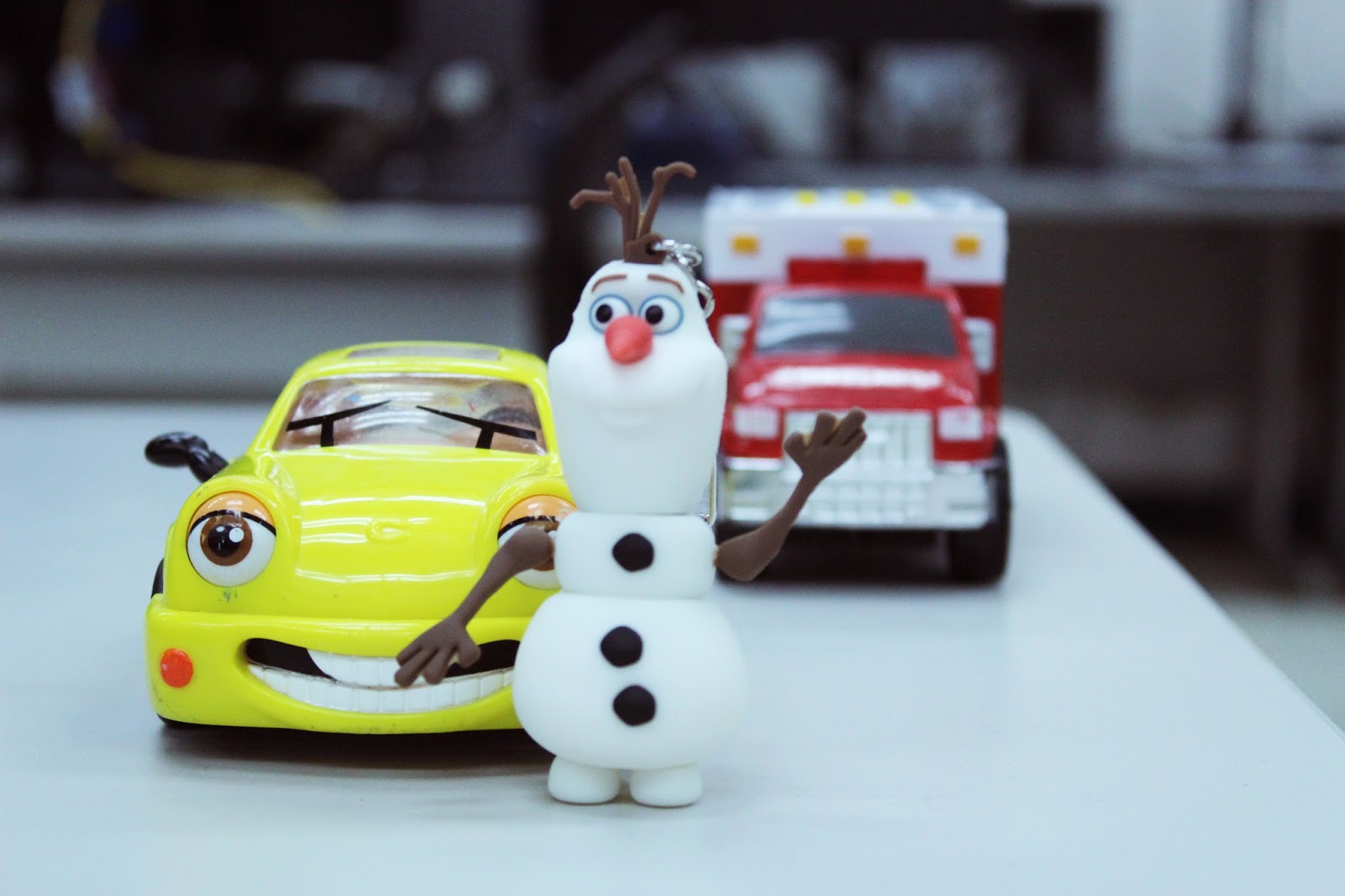
Step 3
- Do not move your toys
- Keep your camera in the same direction as the previous shot (vertical or horizontal)
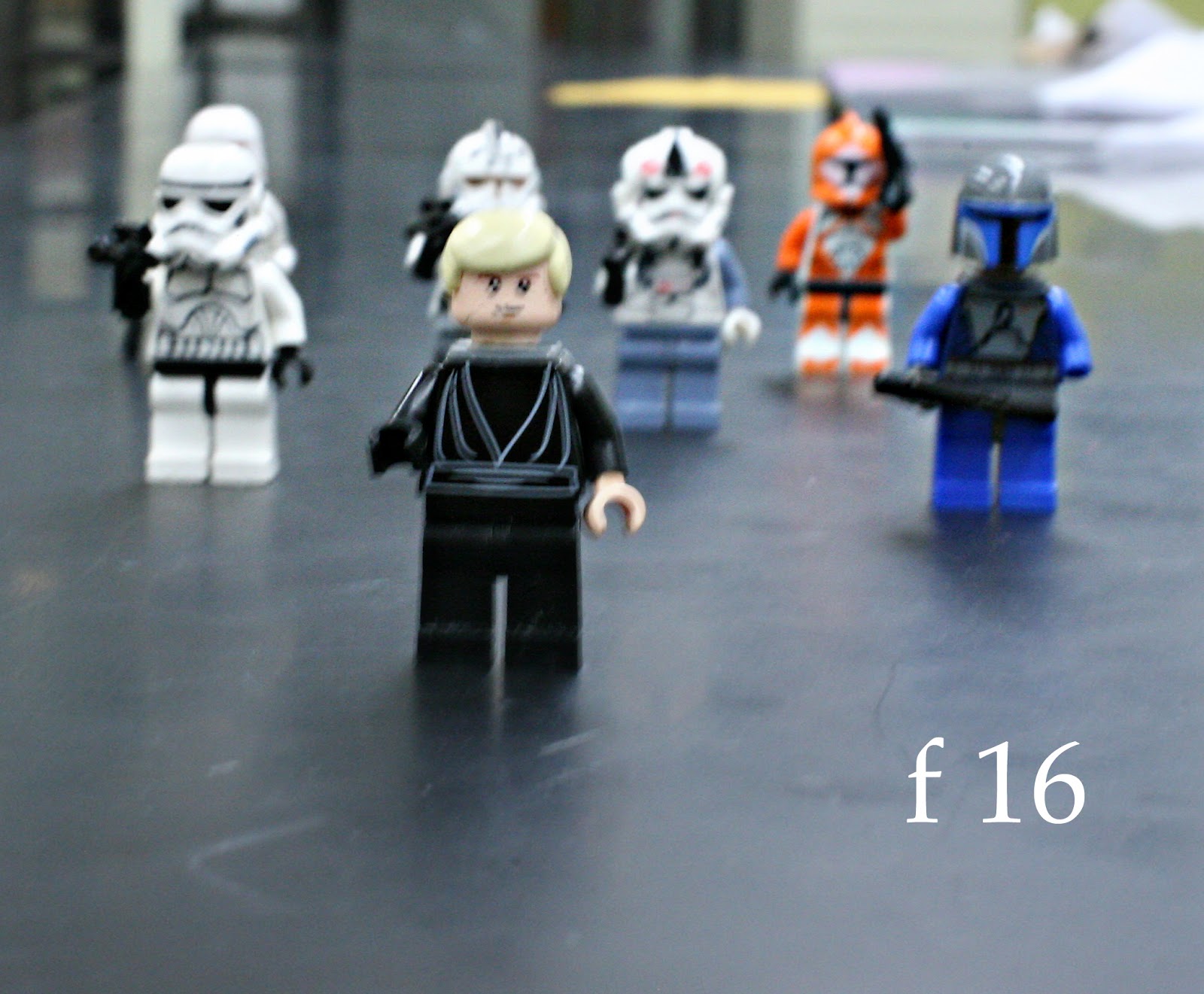
- Set your aperture at f/18-F/29
- Get in as close as you can to the front toy
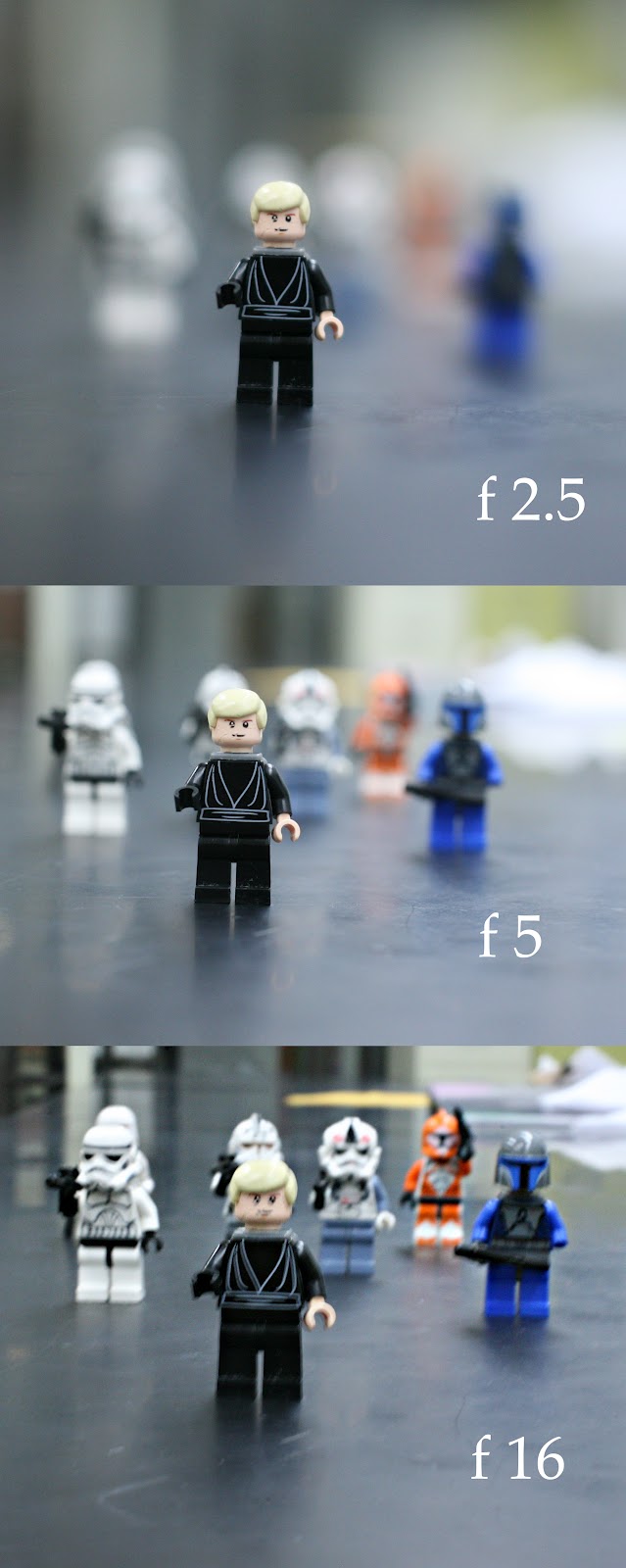
Repeat this assignment by practicing with the Lockers, free choice. Put all the photos together with the aperture on the images like above.
 Photography with Tiffany