Choose 3 of these types of landscape photography that interest you to summarise and find your own examples of them (2-3) for your Visual Diary. (Make sure you include references where possible)
There are multiple types of landscape photography, each one focusing on a different aspect of the art.
I have listed some of these below there also can be overlap and blurring of the lines between types.
Choose 3 of these types of landscape photography that interest you to summarise and find your own examples of them (2-3) for your Visual Diary. (Make sure you include references where possible)
Early finisher: Once you finish this you can do some practice images (I suggest playing around with the minimalist style landscape, or macro/close up details of nature landscapes)
1. Nature Landscape Photography

Nature Landscape photography focuses on capturing wide scenic images of natural landscapes.
Types Of Natural Landscape Photography
These sub-genres of natural landscape photography typically focus on different natural environments, some of which are mentioned below.
~ Coastal Photography
This type of landscape photography focuses on locations where the sea meets the land.
~ Desert
The desert is full of exciting shapes, colors, and patterns you’re unlikely to find anywhere else.
~ Forest
The forest provides some of the most visually stunning compositions in nature. Elements such as mist, fog, and rain can create exciting backdrops when paired with the vertical lines of the trees.
~ Mountains
Mountain landscape photography doesn’t focus purely on the mountain against the sky. It also focuses on using the mountains as a backdrop for other natural elements such as valleys and river streams.
2. Astrophotography

Astrophotography involves turning our lenses skyward and capturing the beauty of the night sky.
3. Impressionistic Landscape Photography

Impressionistic landscape photography produces painterly like images.
The goal is to create a feeling of etherealness, causing images to walk the line between fantasy and reality.
Viewers are presented with a surreal impression rather than a realistic presentation of a landscape.
4. Representational Landscape Photography
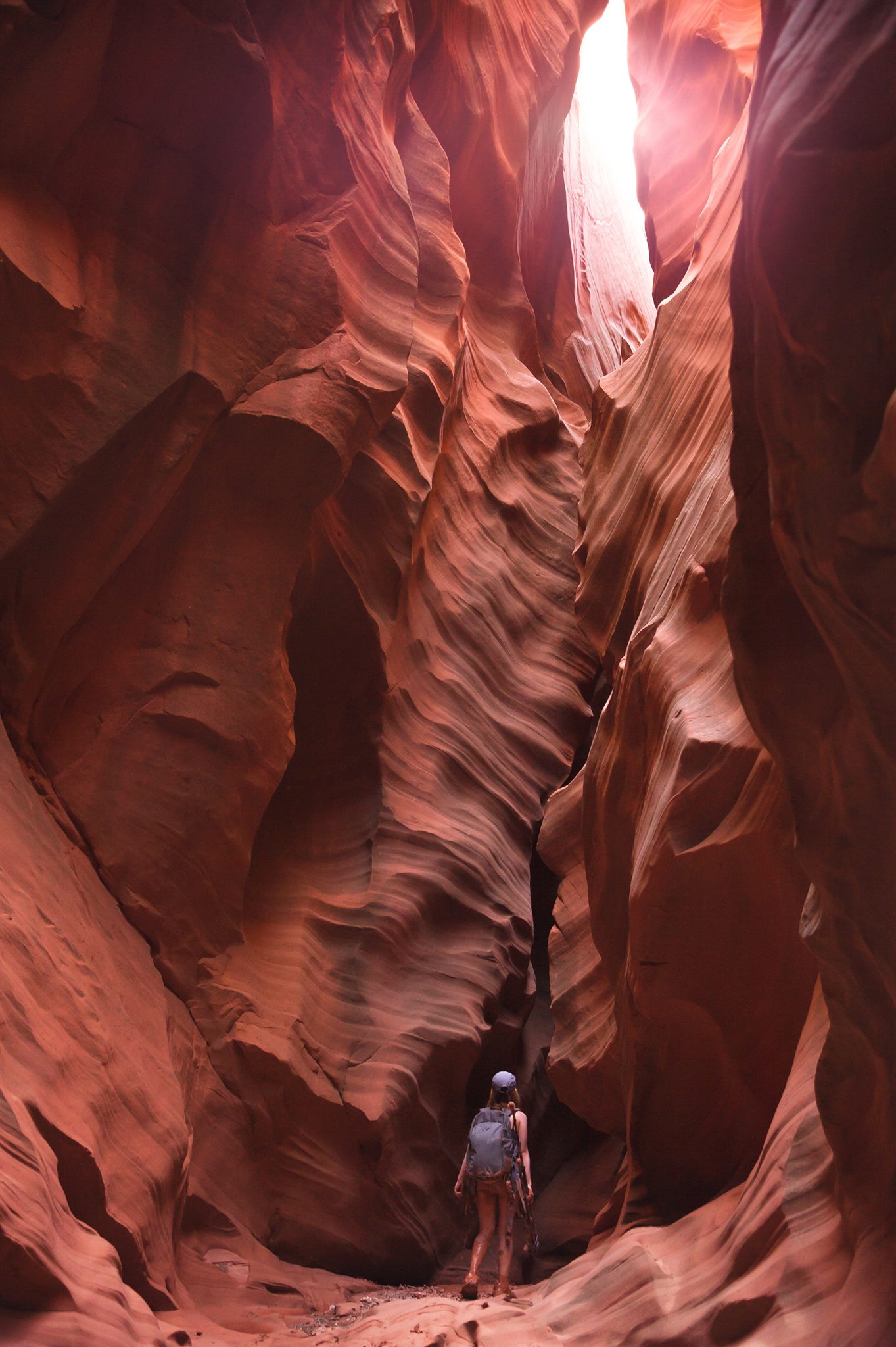
Of all the forms of landscape photography, representational puts the most emphasis on realistic representations of an environment.
Rather than trying to alter the image or manipulate light, they focus on bringing the natural world to the viewer unedited.
5. Minimalist Landscape Photography

Minimalism in photography starts with focusing on the most essential in your photos and cutting away everything else. “Less is more.”
6. Aerial Landscape Photography

Aerial photography takes capturing picturesque landscapes to the air. High vantage points create an awestruck feeling for a viewer.
7. Travel Landscape Photography

A travel photo has been defined by the Photographic Society of America as being an image that presents a sensation of space and time. Modern examples of travel photography emulate the styles of National Geographic and other travel magazines.
8. Urban Landscape/Architectural Landscape Photography


Urban landscape photography are those images that capture scenes within a city or town that can be vast (think cityscape or shot of the city from above the city) or they can be more “microscopic” in nature. Architectural photography focuses on structures and buildings as subjects.
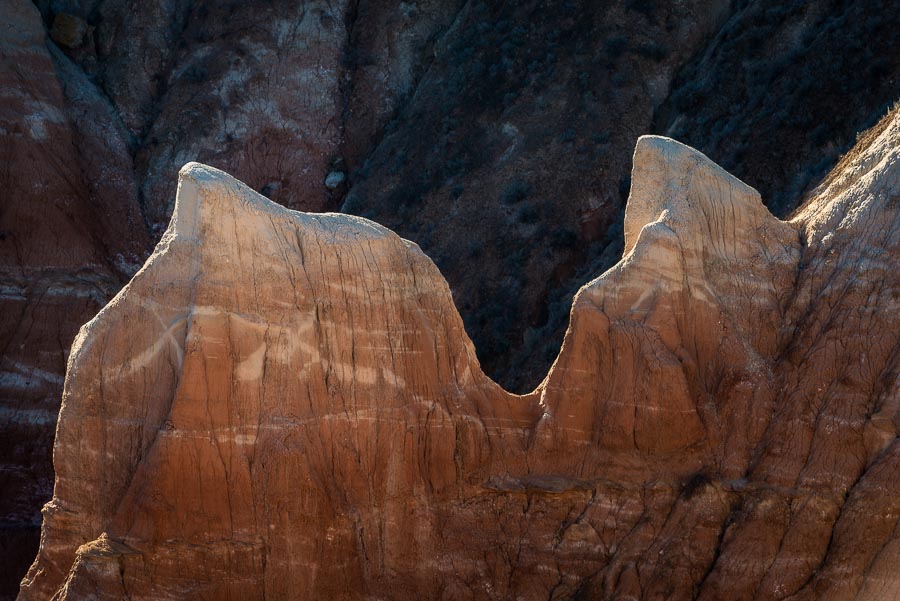
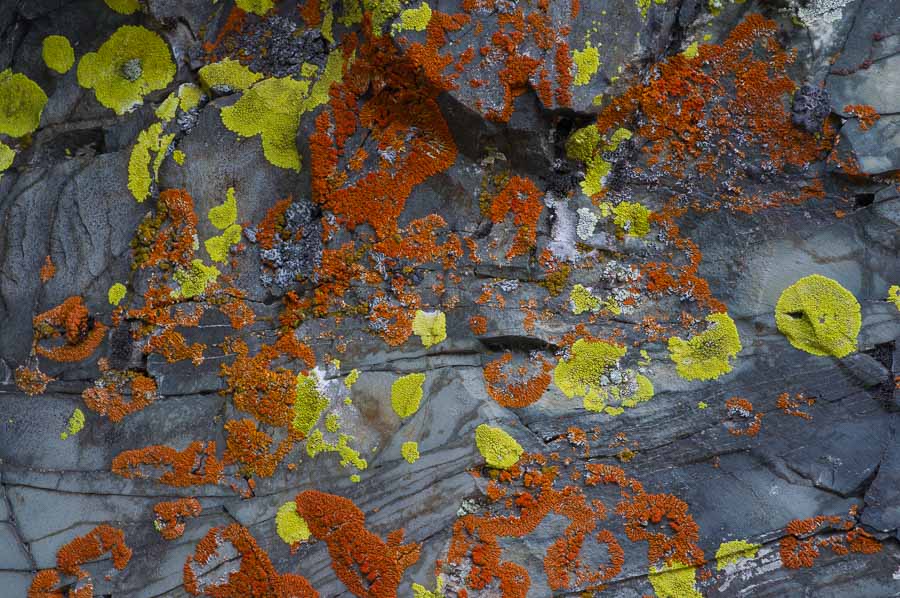
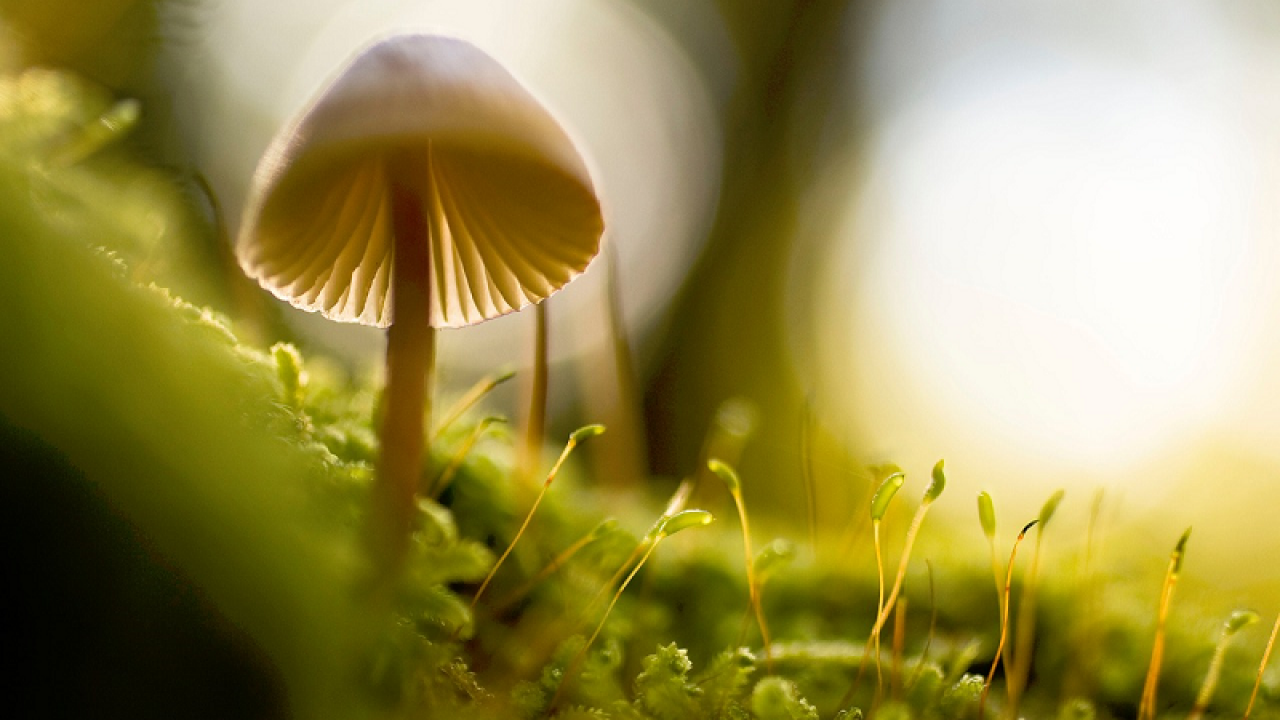
Now you want to think about how much of the scene to include will you capture a wide sweeping landscape –


or something closer and more intimate where there is no point to judge the scale of the image. Perhaps you might get close or use a macro lens.
Suggested template for reflection:
- What did you learn from this task? (Use “I can…” as a sentence starter)
- What did you like about this task?
- What was difficult? (Use “I am struggling with…” as a sentence starter)
- How did you solve problems?
- Is your image successful, if so, why?
- What adjustments (edits) did you do to your image? (include before and after and camera settings if available)
- What else could you change if you had more time or resources?
 Photography with Tiffany