Step 1: Watch the following video to get an overview of composition and some of the rules/ideas.
Main things to keep in mind –
- What are you taking a photo of? what do you want to be be focal point/focus?
- What story do you want to tell with the photo? Can composition help with this? Eg, changing the angle or creating more space to the side of the subject.
- Is your photo balanced? Is there any distracting elements?
- Remember that our eyes see in 3D with depth, photos are 2D.
Step 2: Add a slide to your Visual Diary and title “Composition for Landscapes” and write your own definition of composition underneath.
Here is mine as an example:
Composition in photography is the way all the elements in an image are arranged within the frame to form the final image. You can alter the composition by moving around, zooming in or out, changing lenses, or even crouching down and looking for a new viewpoint.
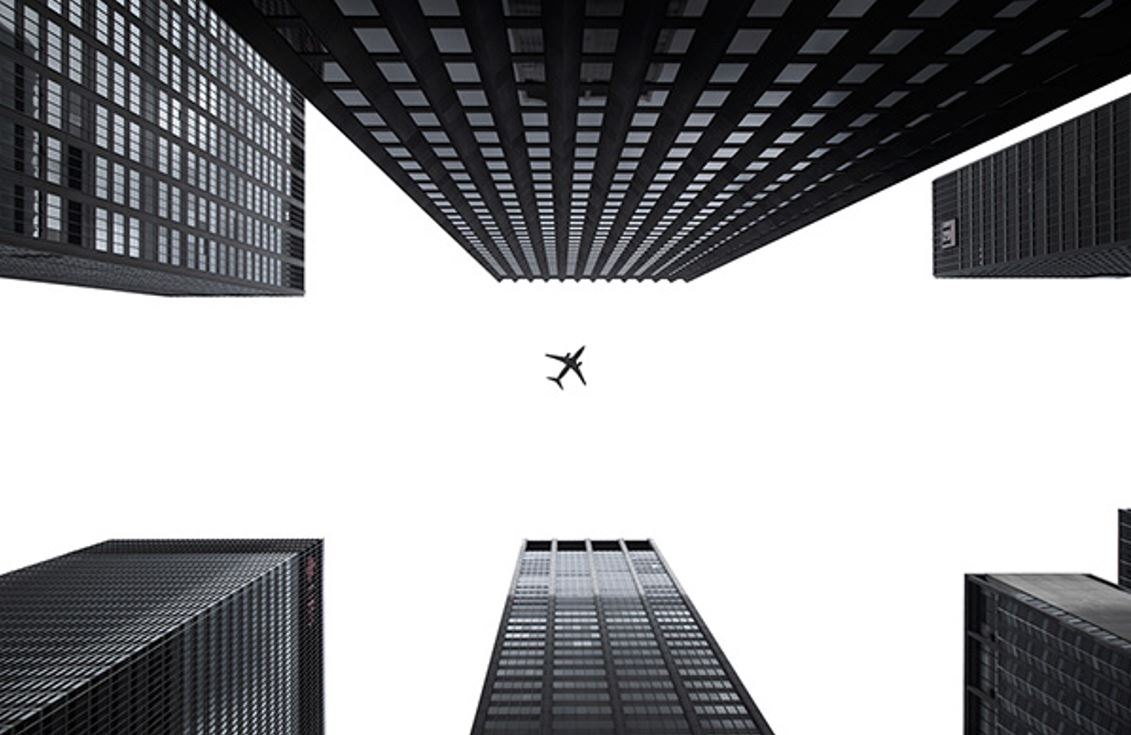
Step 3: “Rules of Composition”
We will choose a few of these to experiment with each lesson. In your visual diary include the name of the rule, a brief description in your own words and an example or two of each. (make sure you copy the references for these pics!)
- Rule of Thirds
- Leading Lines
- Border patrol & Fill the frame (similar)
- Rule of Odd numbers
- Symmetry & Patterns
- Viewpoint
- Depth & Overlapping
- Framing
- Flow/movement
- Golden Spiral
- + many more!
Rules of Thirds
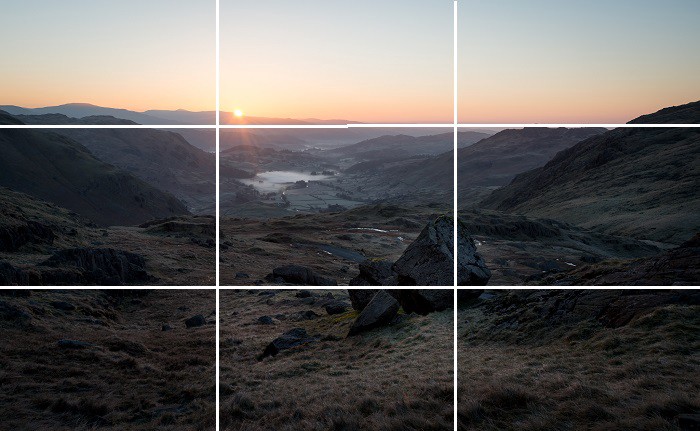
Movement of the Eye/Flow
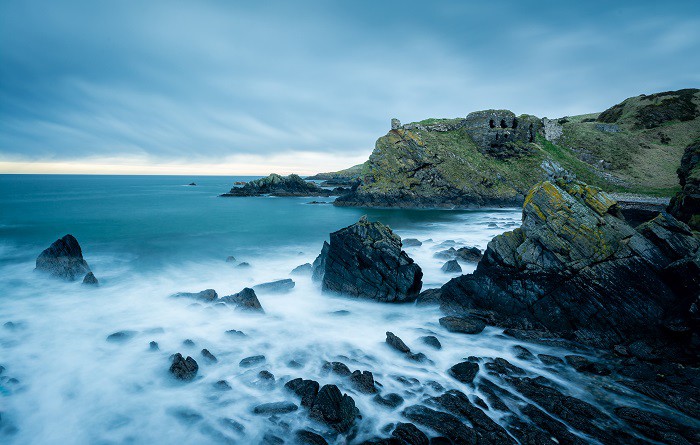
Border Patrol/Fill the frame
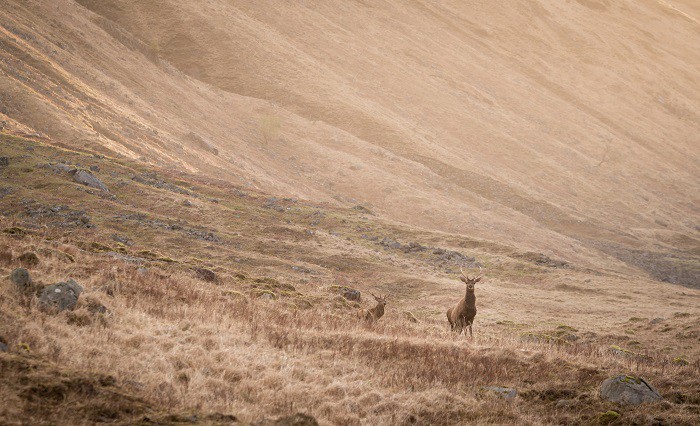
Leading Lines

Rule of Odd Numbers
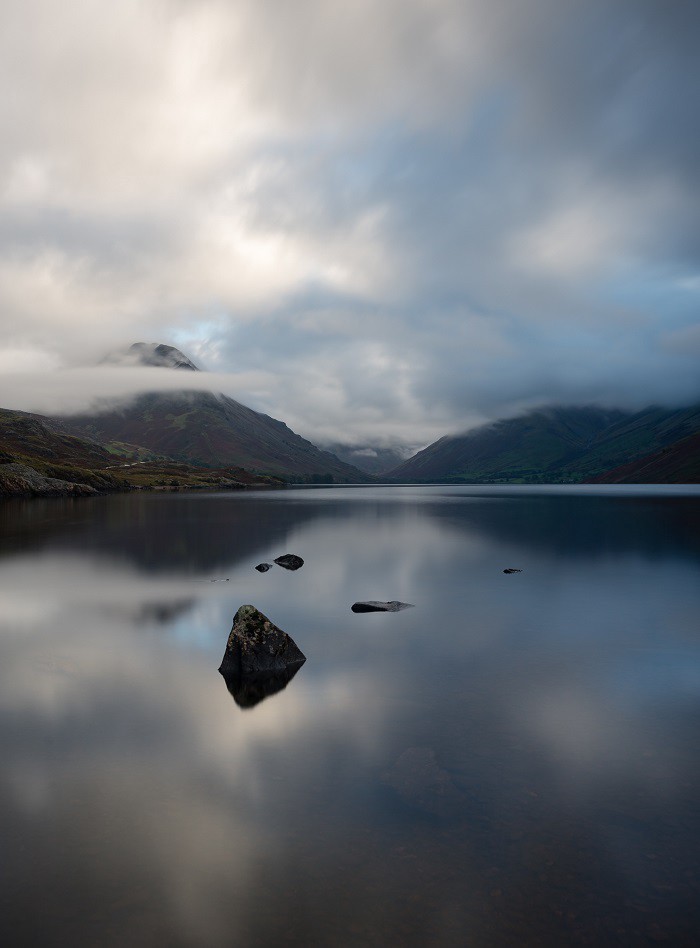
Symmetry & Patterns
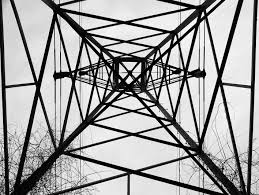
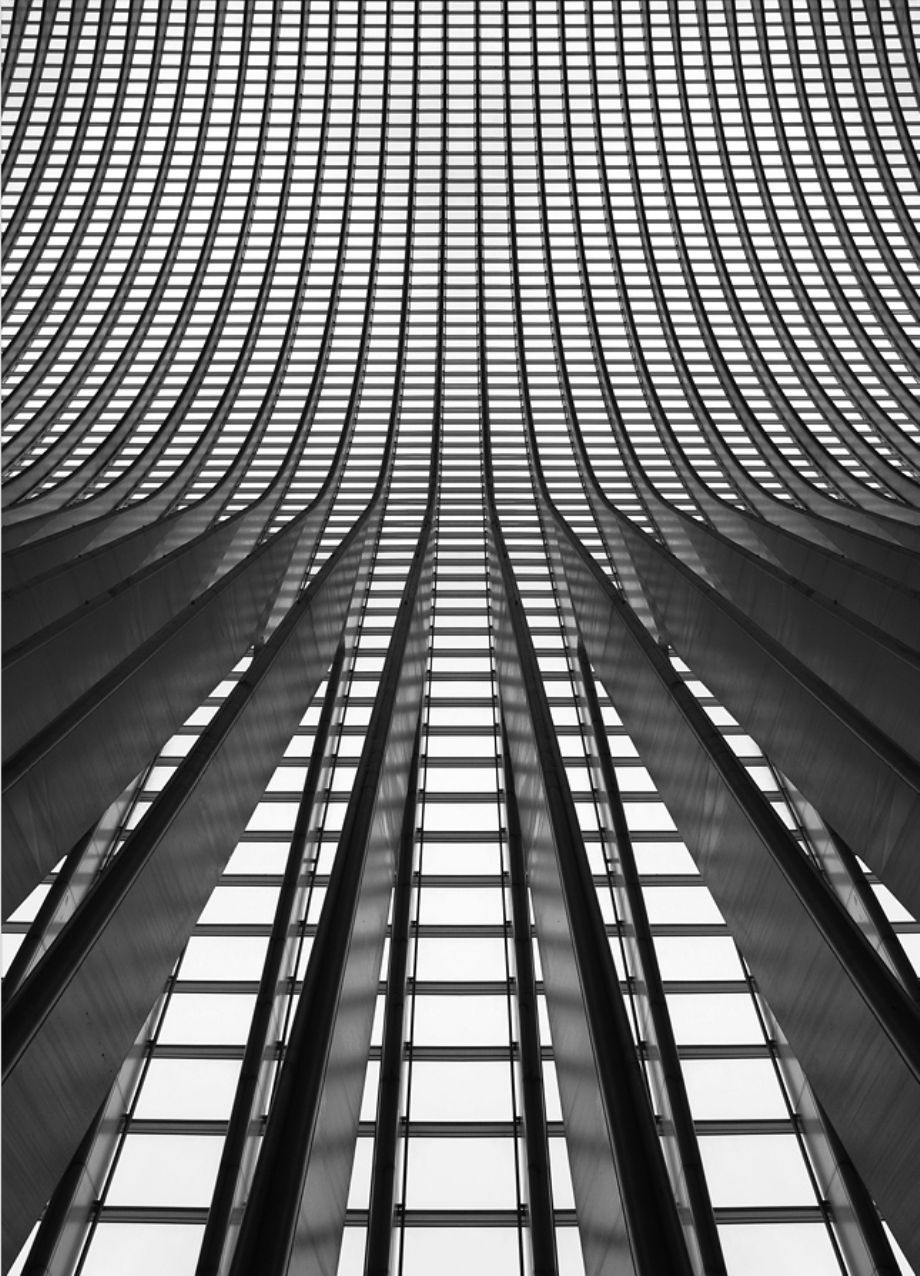
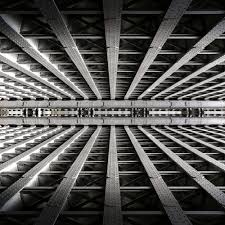
Viewpoint
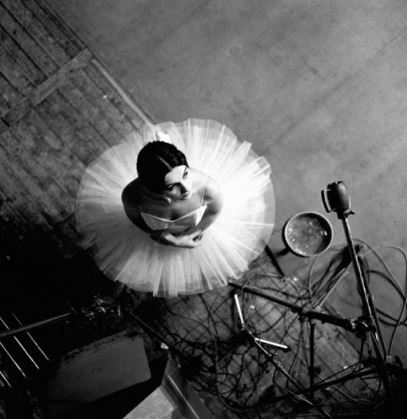
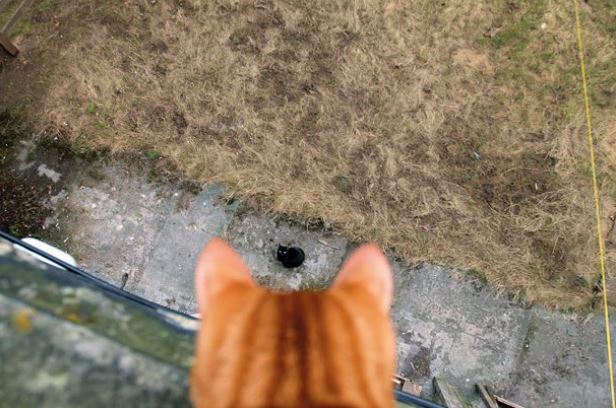

Depth and Overlapping
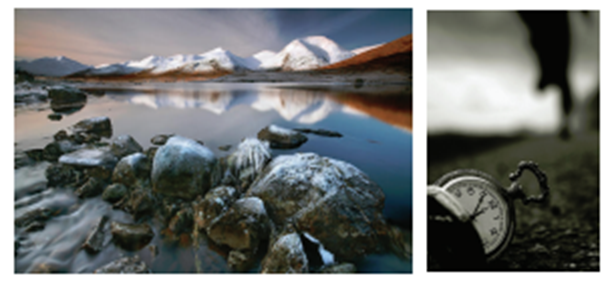
Framing
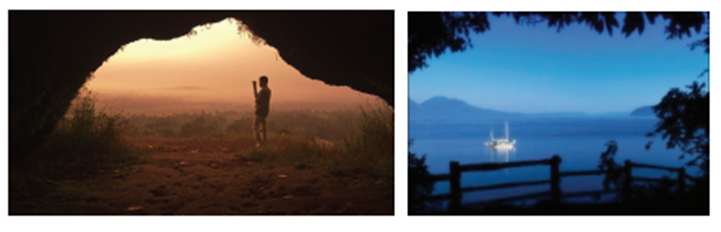
My overview/notes on composition if you need a little help!
Suggested template for reflection:
- What did you learn from this task? (Use “I can…” as a sentence starter)
- What did you like about this task?
- What was difficult? (Use “I am struggling with…” as a sentence starter)
- How did you solve problems?
- Is your image successful, if so, why?
- What adjustments (edits) did you do to your image? (include before and after and camera settings if available)
- What else could you change if you had more time or resources?
 Photography with Tiffany