Architecture photography (also referred to as building photography or structure photography) generally means photography that focuses on buildings. It can include shooting building exteriors and interiors, as well as bridges, other structures, and cityscapes.
For your Visual Diary/Behance:
- Write in your own words what is Architecture photography
- Summarise the tips below for architecture photography
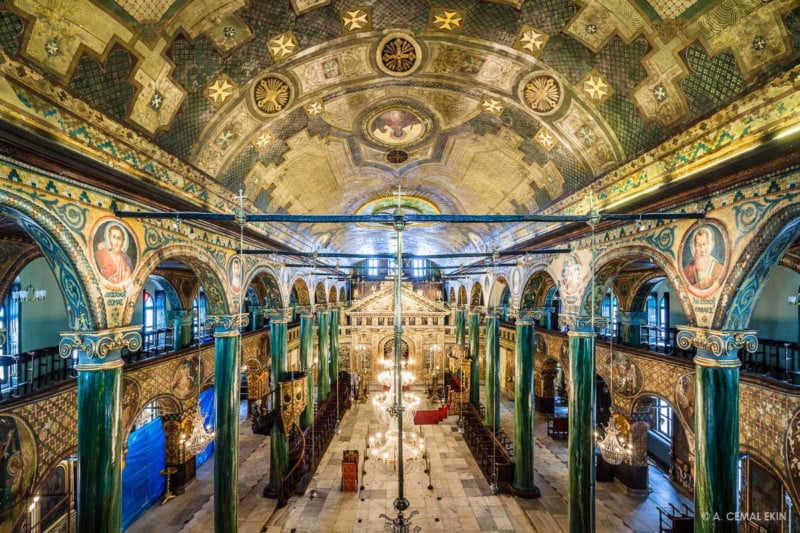
What exactly is architecture? Architecture is a blend of art and science that creates spaces for human experiences. It defines function, form, space, detail, material, and decoration/ornamentation that collectively help create the human experiences.

Photography of Architecture or Architectural Photography
There is a strong almost symbiotic relationship between architecture and photography. Architecture is location-bound and needs visibility. Photography provides “mobility” to architecture and also uses it as a subject for its own purposes. We mostly appreciate and enjoy architecture thanks to photography. There is a rich selection of architectural beauty that most of us will not get a chance to see if it were not for photography.
Tips – Things to remember when taking architecture photos
Remember, It is a “Commissioned Project“
Never lose sight that the finished work will speak for the architect, not for the photographer. By this, I do not mean that the photographer will not bring his or her ideas to the final product. That is necessary and almost required. But viewers looking at the end results should primarily be impressed by the architecture, not the photograph, which becomes the messenger.
Understanding the design and purpose
Think first of the function of the structure, how well does the execution convey that? The architectural form may convey this function, can we capture that? What kind of spaces does the design create, how and how well are they connected? What is the context for the structure, would this design be the same at any other place? Can we, should we convey this context, this location? Is there an inspiration for the architectural design coming from its context and environment? What are the materials used and how do they contribute to the fulfillment of the intention of the architect?
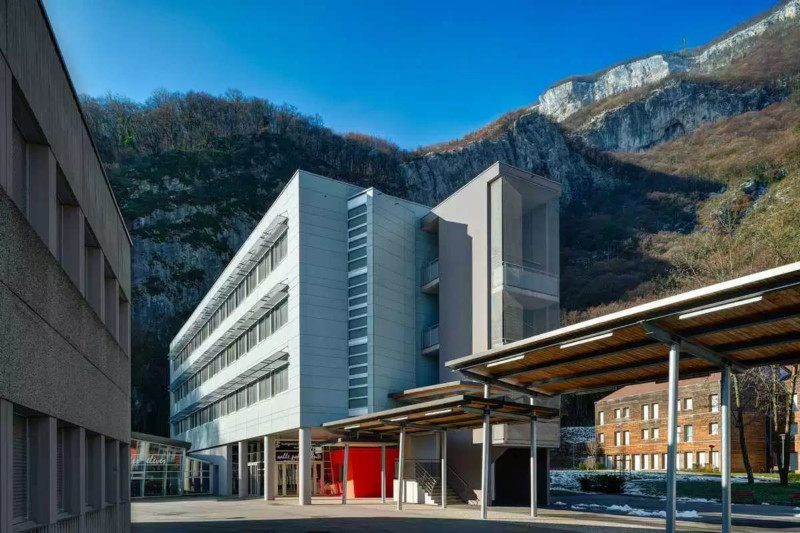
When I looked at the photograph by Arnaud Marthouret below, the connection between the building design and the rocky ledge on top of the hill was the first thing I noticed. Of course, I followed that thought for the photographer for choosing the vantage point to make the connection. It is quite possible that I may be reading too much into this but better too much than too little in my opinion!
Consider the light and time of day
The exterior of buildings is typically photographed under daylight although dusk and night photography may be suitable for some. In general, photographers seek softer light to avoid strong shadows and use this light to define its form or shape, or texture or detail.

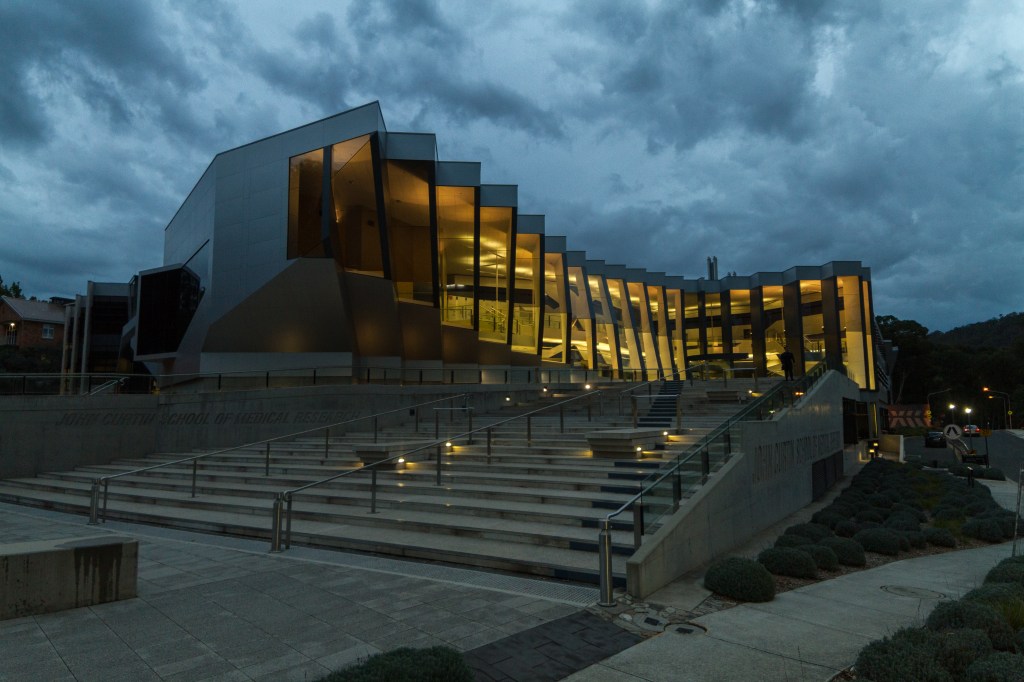
When photographing buildings, our main light is the sun and we can only position our tripod and time the photo session to get the best light angle.
To emphasize the form, you will need more than one side of the building showing and the light needs to hit it in such a way to convey its form. This will benefit from shadows cast by various design elements, balconies, overhangs, inset windows, windowsills, etc. The shadows cast by these elements should not interfere with other important design elements by covering them. If there is ornamentation as an integral part of the design, we must pay attention not to obscure them in full shadows. All these require different angles of light, thus different times of the day and possibly different vantage points.
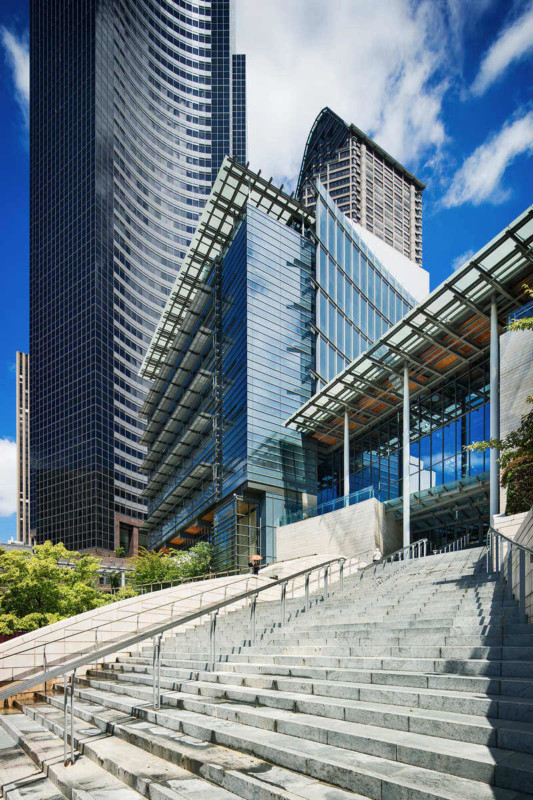
Look at the photograph below by Peter Sieger and notice how the form of the building and its linear accents both vertical and horizontal come forward with light and shadow on the structure. Judging by the short shadow of the railing, the time seems to be mid-afternoon and the sun high.
Respect the Scale, Proportion, and Perspective
In order to convey a sense of scale, we may consider including known elements like a human figure, a popular model car, a mailbox, a phone booth. These elements will help the viewer better appreciate the size and the scale of the structure we are photographing.
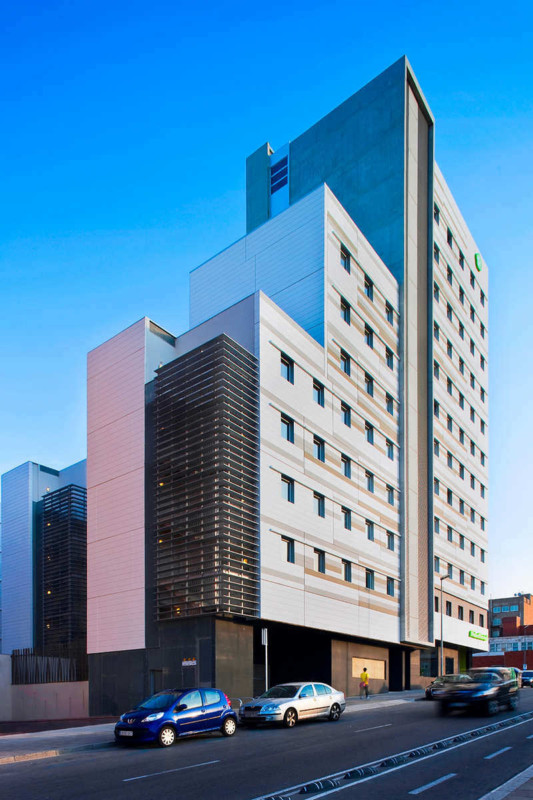
In the photograph above, David Cardelus positioned his tripod at a slightly lower point probably to show the hill-top position of the hotel. The inclusion of the cars and a person going by provides a sense of scale. Now, imagine the same photograph from the other side of the building! It would probably look like a wedge of Swiss cheese as the shorter side would get significantly shorter yet and the tall edge would be towering. That, I believe would have seriously distorted the sense of scale, but, I may be wrong.
Do Not Ignore Detail and Decoration
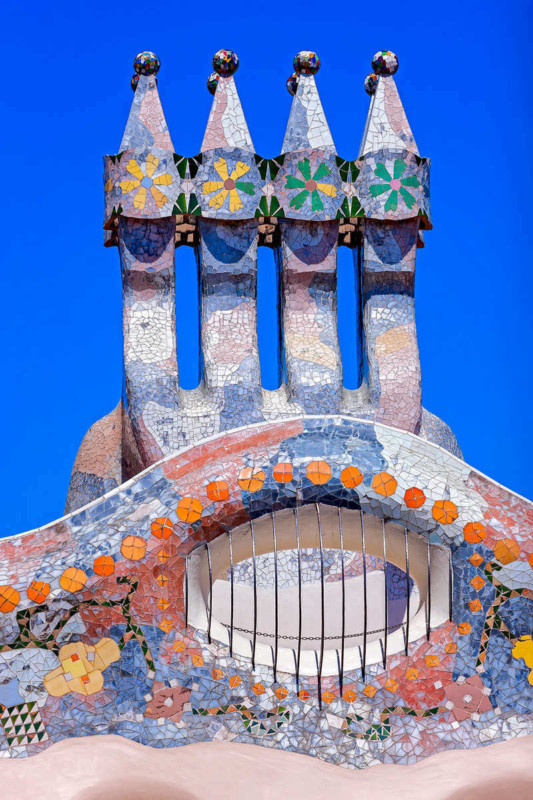
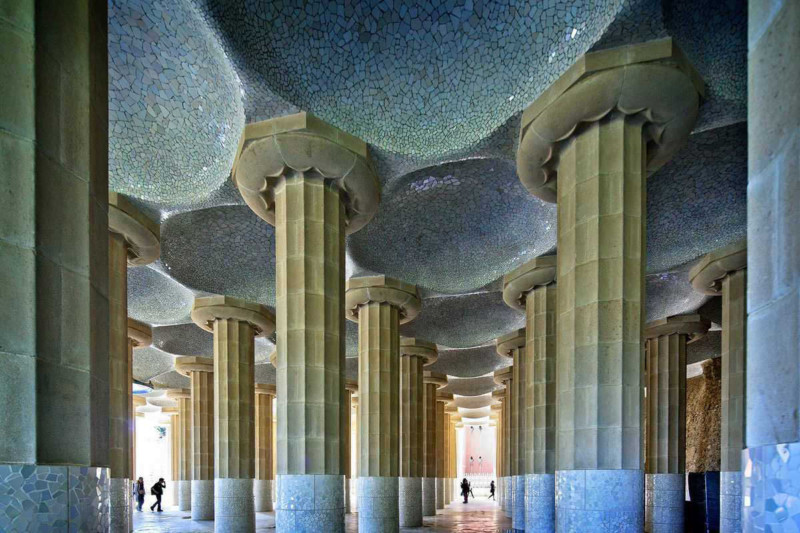
Some architects like Antoni Gaudi or Louis Sullivan integrate detail and decoration into their structures, and in a very organic way. Looking at the detail and ornamentation in their work is like looking at the bark of a tree, it is very much an extension of the core structure.
How Much Change in Post-Processing
The dilemma is an ethical one, “is removing something from the photograph altering the meaning of the image?” I believe it depends to a large extent what is being removed from the photograph and why.

Other editing should be treated the same, ask yourself the question is this an accurate representation of the building and does the editing detract from the architecture in any way.

Treat Interior Lighting Carefully
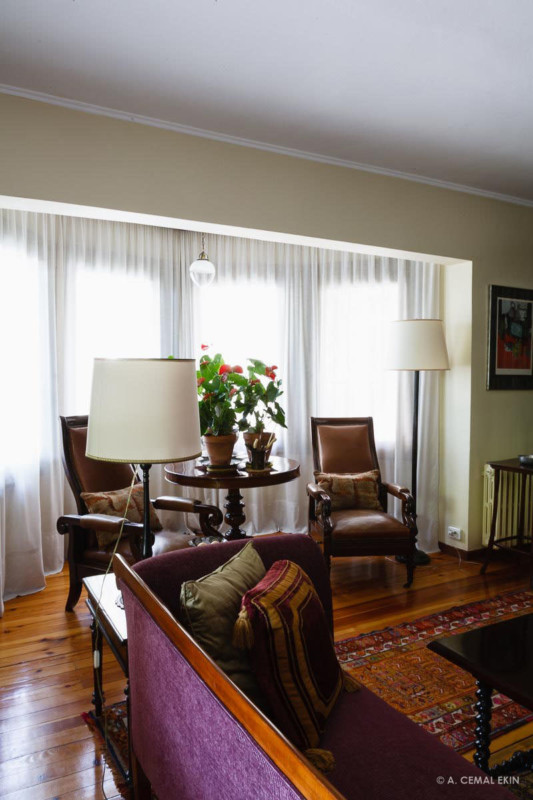
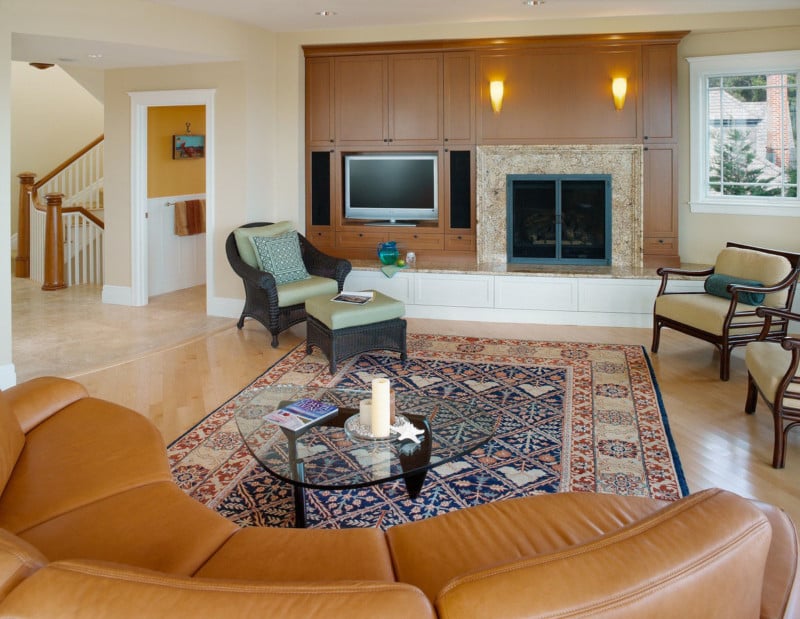
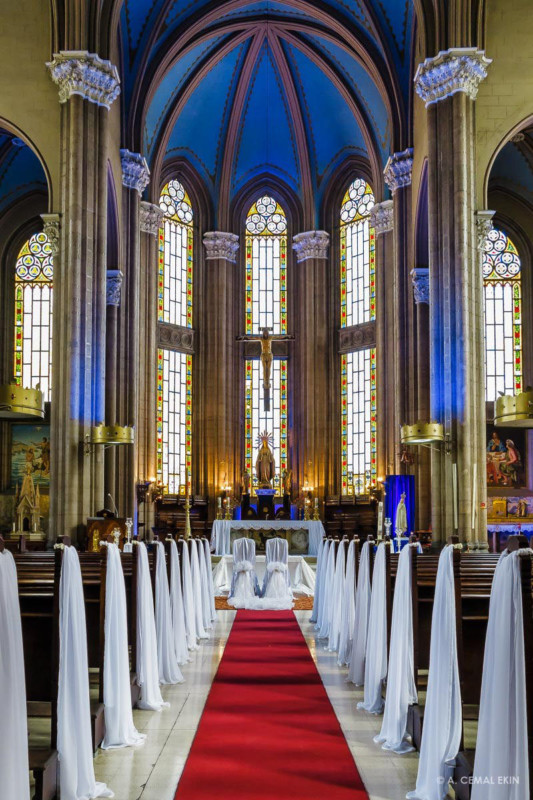
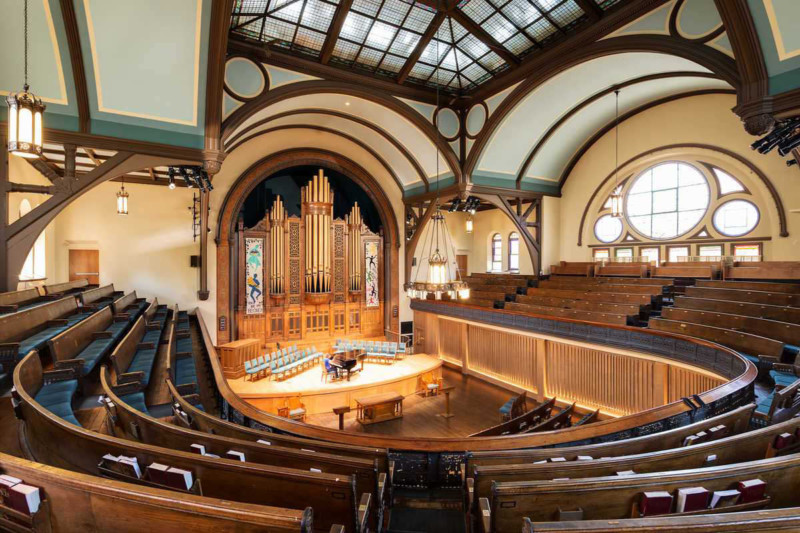
A properly lit interior will look just right, with shadows not fighting in different directions. It is important to preserve the mood of the space. Here are some examples of interior photographs –
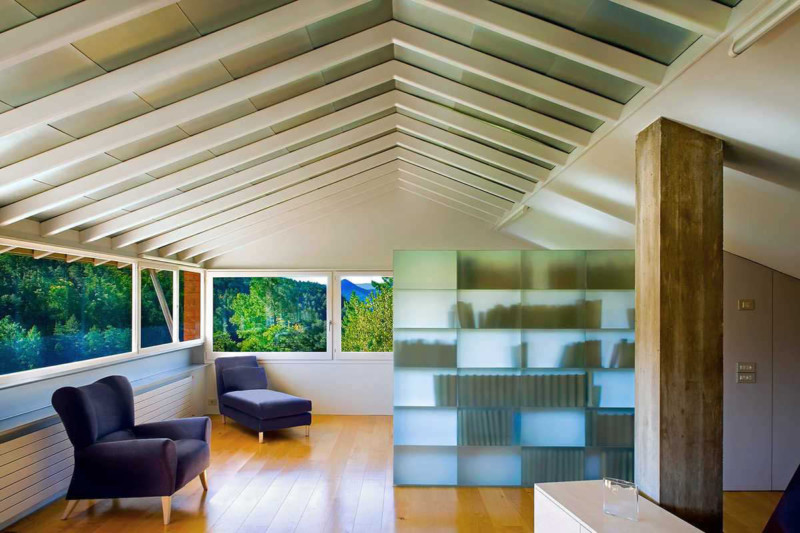
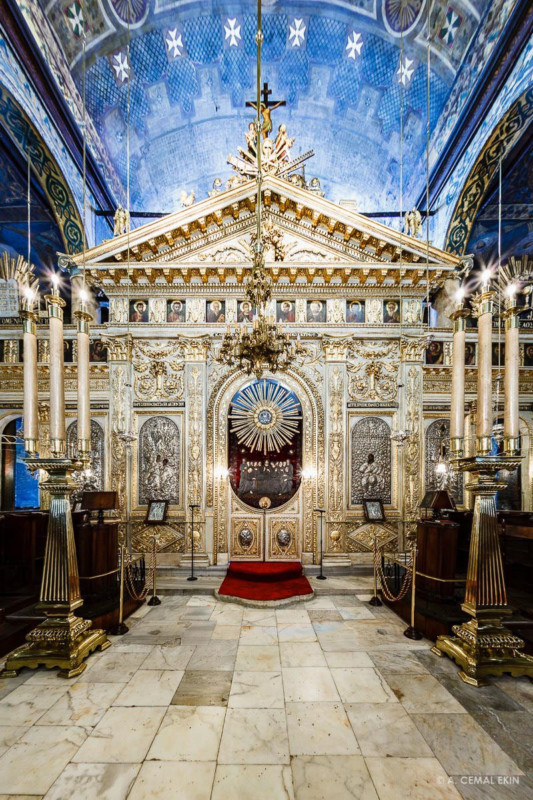
Camera Angle
Keeping it low emphasizes vertical elements, like the fronts of the desks, bookcases, columns, and the like.
Famous Architects and Photographers
This conversation will not be complete without mentioning the people who make all this happen, the architects and the photographers. The list is long, space is short! I will mention a few names and a few articles to get your thinking kickstarted.
Architects
The Internet is full of lists of the most important architects of the 20th century, so I will not list them here beyond a few names I know in this article. Here are some of these lists and significant names. I strongly suggest you look at the works with an eye not to like or dislike them but to understand their design sensibilities. The list is not in any particular order.
- Louis Kahn
- Louis Sullivan
- Frank Lloyd Wright
- ArchDaily
- Owlcation
- These Architects Are Transforming the Way We Experience Art
Photographers
Architectural photographers bring us closer to the architects and their works. I have enjoyed the work of Julius Shulman since I stumbled on his Visual Acoustics movie years ago, and then acquired several of his books. Then on a PBS program, I learned about Pedro Guerrero and how he photographed Frank Lloyd Wright and his works, very interesting. I got a couple of books on him too. Around the same time, I became familiar with Ezra Stoller, another master in this field in the 20th century. When you visit their indicated Web sites you will see their wonderful work.
I have seen many photographs in this genre and very recently found the works of Peter Sieger, David Cardelus, and Arnaud Marthouret. I have known Aaron Usher for some years now and he is the local go-to person for this kind of work. I suggest all of them very highly for your viewing and learning pleasure. Shulman, Stoller, and Guerrero have iconic photographs you may have seen. If you can find their movies, I highly recommend them as well. Here are some links to visit:
- Julius Shulman
- Pedro Guerrero
- Ezra Stoller
- Peter Sieger
- David Cardelus
- Aaron Usher
- Arnaud Marthouret
- The Guardian: Best Architectural Photographs of 2018
- Image Building: How Photography Transforms Architecture
- Why These Striking Images of Cathedrals Take Up to a Year to Complete
- Richard Nickel Archive, an architectural photographer who died in an explosion while photographing a building being demolished
And, I have not even scratched the surface for either list! Keep looking beyond this .
 Photography with Tiffany